Ancient Pottery of Thailand Embroidery Review
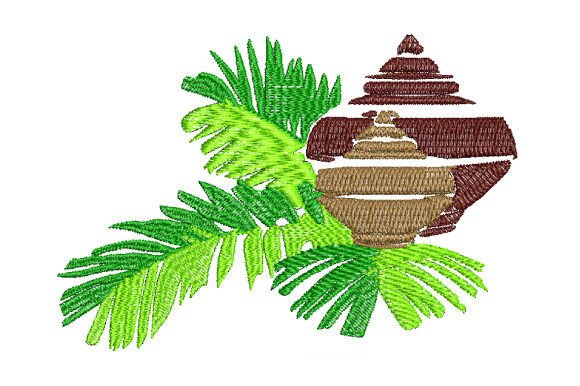
As an embroidery designer who has spent years curating patterns for personalized gift shops, I approach every new digital file with a mix of excitement and caution. When I first loaded the Ancient Pottery of Thailand machine embroidery design into my software, I was immediately struck by its cultural depth. This is not just another generic floral or geometric motif; it carries the weight of history and the warmth of handcrafted tradition. The pattern draws inspiration from the rich heritage of Asia, specifically the elaborate pottery molded by hand in Thailand. For any Etsy seller, small shop owner, or craftsperson looking to elevate their product line with something unique, this design offers a compelling narrative.
The Mood and Charm of Hand-Molded History
The first impression of Ancient Pottery of Thailand is one of grounded elegance. Unlike modern, sharp-edged designs that can feel cold on fabric, this pattern feels organic. It captures the essence of handicrafts where imperfections are part of the beauty. The shapes mimic the curves of clay pots and vases, suggesting a time when artisans shaped earth into art without the aid of machines. When visualized as a finished product, the design exudes a classic yet timeless charm. It feels sweet and nostalgic, perfect for customers seeking a connection to traditional arts.
For those selling handmade products, the emotional appeal here is significant. A customer buying a personalized gift often wants more than just a pretty picture; they want a story. This design tells the story of Thai craftsmanship. Whether placed on a nursery blanket or a wedding keepsake, it suggests care, patience, and artistry. The detail level is sufficient to hold attention without becoming overwhelming, striking a balance that works well for both close-up viewing and as part of a larger decor scheme.
Ideas for Personalized Gift Products
When planning my next collection of custom embroidery items, I found several standout applications for this specific pattern. The versatility of the shapes allows it to adapt to various product categories while maintaining its identity.
- Baby Embroidery and Nursery Decor: The soft, rounded lines of the pottery shapes make this ideal for baby blankets and onesies. It feels gentle and protective, avoiding the harshness of sharp angles. A pastel-colored version on a cream muslin blanket would be a stunning addition to a nursery, offering a unique alternative to standard animal motifs.
- Wedding Gifts and Keepsakes: For couples who appreciate travel or Asian culture, this design makes a sophisticated wedding gift. Imagine it stitched onto a high-quality linen pillow cover or a set of kitchen towels. It serves as a subtle nod to a honeymoon destination or a shared love for history.
- Aprons and Tote Bags: Kitchen textiles are a perfect canvas for this theme. An embroidered towel or apron featuring Ancient Pottery of Thailand brings a touch of artisanal flair to the home cook. It transforms a utilitarian item into a statement piece that celebrates the act of creation, much like the potters themselves.
- Etsy Listings and Craft Fair Products: As a digital product seller, you know that standing out in search results is key. This design offers a niche appeal. Listing it as a "Thai Heritage" or "Asian Artisan" style product can attract buyers looking for culturally significant gifts rather than mass-produced trends.
Navigating Fabric and Technical Challenges
While the artistic potential is high, practical application requires careful consideration. As with any complex machine embroidery design, there are areas where Ancient Pottery of Thailand needs to be used with caution. The intricate details that give the pottery its character can sometimes struggle on certain substrates.
If you plan to use this on thick towels or textured fabrics, be mindful of the stitch density. Heavy loops in a terry cloth towel might obscure the fine lines of the pottery patterns. Similarly, stretchy baby clothes require a stabilizer that prevents puckering, which could distort the curved shapes of the design. Dark fabrics present another challenge; the contrast must be managed carefully to ensure the details do not disappear into the background. Always compare light and dark fabric mockups before committing to a large production run.
Curved surfaces, such as the side of a mug or a round ornament, can also be tricky. The design is primarily intended for flat or gently curved surfaces like tote bags and pillow covers. Attempting to stitch it on highly contoured items may lead to registration issues. Furthermore, products that require frequent washing, like daily-use kitchen towels, need thread colors that are colorfast and a stitch structure that can withstand agitation without fraying.
Boosting Perceived Value and Customer Trust
In the world of small business owners and handmade sellers, perceived value is everything. Using a high-quality embroidery file like Ancient Pottery of Thailand instantly elevates the perceived worth of your finished product. Customers associate detailed, culturally rich designs with higher quality and more thoughtfulness. This emotional connection builds trust; when a buyer sees a design that clearly references real-world artistry, they are more likely to believe that the maker cares about their work.
Product photography plays a crucial role here. A close-up shot of the stitching on a linen pillow cover can highlight the texture and depth of the design, engaging the buyer immediately. For the Etsy seller, this translates to better click-through rates and higher conversion. The design acts as a conversation starter, allowing you to share the story of Thai handicrafts in your product description, further deepening the engagement with your audience.
Practical Notes for the Professional Designer
Before you integrate this pattern into your commercial embroidery workflow, follow these essential steps to ensure a flawless result. First, always test on scrap fabric. Even if the digital preview looks perfect, the physical interaction between needle, thread, and material can reveal unexpected issues. Check the thread color contrast against your chosen fabric to ensure visibility. Confirm the hoop size required for the design fits within your machine's capabilities and your product dimensions.
Review the stitch density settings in your software. If the design appears too dense, it may cause fabric distortion; if too sparse, the underlying fabric might show through. Use the proper stabilizer for your specific fabric type—tear-away for stable wovens, cut-away for knits. Finally, check small details after stitching. Zoom in to see if any tiny elements of the pottery patterns have been lost or merged. And most importantly, confirm commercial licensing before selling finished products. Ensure you have the rights to use this digital embroidery file for your business to avoid legal complications. By taking these precautions, you ensure that Ancient Pottery of Thailand becomes a star performer in your personalized gift catalog.