Healing is Not Linear: A Designer's Review
In the world of machine embroidery design, few themes resonate as deeply as mental health awareness. As a designer who has spent years stitching everything from delicate baby items to rugged workwear, I approach every new asset with a critical eye. Does it stitch cleanly? Does it hold up on different fabrics? Most importantly, does it communicate the intended message without looking cluttered or amateurish? When I first opened the files for Healing is Not Linear, I was immediately struck by its potential. This isn't just another generic slogan; it is a statement piece that demands thoughtful execution.
First Impressions: Mood and Visual Weight
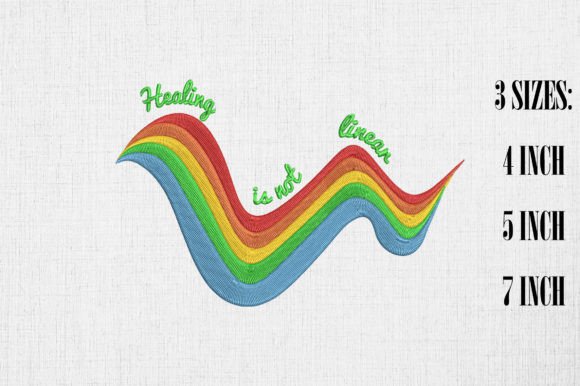
The concept behind Healing is Not Linear is powerful. It speaks to the messy, winding journey of recovery, and visually, the design reflects this through its layout. Unlike rigid, geometric typography often found in Awareness categories, this design feels organic. The lettering likely utilizes a mix of satin stitch for definition and fill stitch for depth, creating a texture that invites touch. When I visualize this on a finished product, it carries a sense of calm resilience rather than frantic energy.
For a small business owner or an Etsy seller curating a collection of handmade goods, the visual personality of this design is a major asset. It avoids the trap of being overly "medical" while still maintaining clarity. The balance between negative space and thread density suggests it will look substantial without becoming a heavy, puckered blob on the fabric. However, like any good design, its success depends entirely on how you apply it.
Real-World Application: From Sketch to Stitch
To truly understand the value of Healing is Not Linear, let's walk through a realistic scenario. Imagine you are preparing a custom order for a client who wants a high-quality tote bag design for a local support group fundraiser. You have chosen a sturdy canvas tote in a soft oatmeal color. You load the embroidery file into your machine, securing the hoop with a cutaway stabilizer to prevent shifting.
As the needle begins its dance, the design fills the hoop with precision. The phrase lands perfectly in the center, the curves of the letters flowing naturally. Once removed from the hoop and trimmed, the result is a professional-grade handmade product. The text is legible from a distance, yet the texture rewards closer inspection. Now, imagine that same design on a dark charcoal sweatshirt embroidery project. Here, the choice of thread colors becomes critical. A bright white or soft pastel would pop beautifully against the dark background, turning the garment into a conversation starter. In both cases, the design elevates the base material, transforming a simple item into a meaningful personalized gift.
Navigating Fabric Challenges and Limitations
While Healing is Not Linear is versatile, it is not a magic bullet for every surface. As experienced designers know, context is king. If you attempt to stitch this onto very thin fabric like a silk scarf without the proper backing, the tension could cause significant distortion. Similarly, on highly textured fabrics like fleece or terry cloth, the intricate details of the lettering might get lost within the loops of the material.
You must also be cautious with small hoop sizes. While the design is scalable, shrinking it too much can compromise the integrity of the running stitch outlines and the fill areas. Tiny lettering on a cap or a baby onesie requires a high level of precision; if the stitch count is too dense for the reduced size, the threads may bunch up, leading to a messy finish. For caps or curved surfaces, ensure the digitization allows for the natural curve of the brim without stretching the text unnaturally.
Furthermore, consider the longevity of the product. Items that undergo frequent washing, such as kitchen towels or aprons, require robust stitching. If the design relies heavily on long satin stitches, they may snag over time unless secured properly. Always test the design on scrap fabric first to check for puckering, thread breaks, or color bleeding before committing to a final customer order.
Boosting Brand Value and Customer Trust
For creative entrepreneurs and boutique owners, the quality of your embroidery directly impacts your brand perception. Using a well-crafted design like Healing is Not Linear signals professionalism. It tells your customer that you care about the details and the message behind the product. In the competitive market of commercial embroidery, standing out means offering designs that feel authentic and high-quality.
When customers see a clean, crisp stitch job on a pillow cover or a blanket, their trust in your craftsmanship increases. They are more likely to return for future orders or recommend your shop to friends. This design, with its meaningful message, also enhances giftability. It transforms a standard item into an emotional anchor for someone going through a tough time, adding significant perceived value to your small shop product line.
Practical Notes for Designers and Makers
Before you commit to selling items featuring Healing is Not Linear, take these practical steps to ensure success:
- Test on Scrap Fabric: Never skip this step. Run the design on the exact fabric you plan to use to check tension and stabilizer needs.
- Verify File Formats: Confirm that the digital embroidery file formats included are compatible with your specific machine software.
- Check Licensing: Ensure you understand the terms regarding commercial embroidery. Are you allowed to sell the finished goods? Can you resell the digital file?
- Mockup Your Designs: Create printable mockups in black and white to assess contrast before ordering expensive threads.
- Stitch Density Check: Inspect the stitch density closely. Areas that are too dense may need trimming or re-digitizing for certain fabrics.
- Fabric Contrast: Compare how the design looks on light versus dark backgrounds to determine the best thread colors for maximum visibility.
Final Thoughts on a Meaningful Asset
Healing is Not Linear is more than just a pattern; it is a tool for connection. Whether you are a hobbyist creating a heartfelt holiday embroidery gift or a professional decorator producing custom apparel for a clinic, this design offers a strong foundation. Its ability to adapt to various projects—from embroidered patches to home decor—makes it a valuable addition to any designer's library. By respecting the technical requirements of the craft and applying the design with intention, you can create products that not only look beautiful but also carry a message of hope and understanding. In the end, that is what makes great Embroidery truly matter.