Spiral Butterfly Embroidery Design Review
As a professional embroidery designer who has spent years curating patterns for both personal projects and commercial client orders, I approach every new machine embroidery design with a critical eye. The market is flooded with generic assets, so finding a piece that truly elevates a handmade product is rare. Recently, I evaluated the Spiral Butterfly from Creative Fabrica to determine if it holds up under the scrutiny of real-world production. This review focuses on how this specific design performs when translated from a digital file into a tangible, high-quality finished product.
First Impressions: A Romantic and Intricate Aesthetic
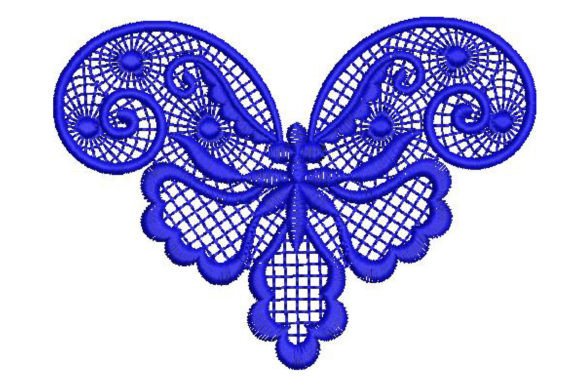
Upon opening the preview for Spiral Butterfly, the visual mood immediately stands out as distinct from typical butterfly motifs found in the Bugs category. Most insect designs lean towards realism or cartoonish simplicity, but this pattern embraces a romantic, stylized approach. The description notes that it is created with cross stitch and festoon elements, which suggests a texture-rich result rather than a flat block of color. For designers looking to add a touch of vintage elegance or whimsical charm to their work, this intricate pattern offers a unique selling point.
The combination of cross stitch textures and flowing festoons creates a decorative appeal that feels handcrafted even when executed by a machine. This duality is crucial for Etsy sellers and boutique owners who want their custom apparel to feel artisanal. When I first considered this embroidery file for a potential order, I was drawn to how the spiral motif guides the eye, creating movement across the fabric. It is not just a static image; it is a dynamic element that can transform a simple cotton tote or a linen pillow cover into a statement piece.
Performance in Real-World Embroidery Projects
The true test of any Creative Fabrica embroidery asset lies in its versatility across different substrates. I envisioned using Spiral Butterfly on several items, ranging from delicate nursery decor to rugged everyday carry items. Here is how the design translates to specific project types:
- Tote Bags and Satchels: The description explicitly mentions satchels, and for good reason. The intricate details of the spiral and festoon work well on the structured canvas of a tote bag. The design provides enough visual weight to stand out without overwhelming the surface area.
- Pillow Covers and Home Textiles: Given the romantic style, this design fits perfectly on throw pillows or even bed sheets. The cross-stitch aesthetic mimics traditional needlepoint, making it an excellent choice for home goods where a cozy, handmade vibe is desired.
- Custom Apparel: For sweatshirts or aprons, the design adds a focal point that breaks up large areas of solid color. However, placement is key. On a sweatshirt, centering the Spiral Butterfly on the chest or back works best, while on an apron, a hip placement allows the spiral to flow naturally with the garment's drape.
- Embroidered Patches: If you are producing patches for hats or jackets, this design’s defined edges and internal detailing make it suitable for cutting out. The intricate pattern ensures the patch looks premium when sewn onto denim or leather.
For those selling commercial embroidery products, having a design like this in your portfolio can significantly boost brand consistency. It offers a signature look that customers can recognize, whether they are buying a baby blanket or a kitchen towel. The ability to use one digital embroidery file across such a wide range of products—from soft baby items to durable kitchen linens—makes it a cost-effective asset for small business owners.
Practical Considerations for Production
While the visual appeal is undeniable, practical execution requires careful planning. As with any intricate pattern, there are technical factors to consider before committing to a customer order. First, always check the hoop size specified in the product details. Intricate designs often require larger hoops to accommodate the full sweep of the spiral without distortion. If the hoop is too small, the design may get cropped, ruining the symmetry of the butterfly wings.
Stitch density is another critical factor. The mix of cross stitch and festoon implies varying densities within the same design. Areas with dense cross stitching may require a heavier stabilizer to prevent puckering, especially on stretchy fabrics like jersey or knit sweatshirt material. Conversely, lighter festoon areas might need less backing. I strongly advise testing the design on scrap fabric that matches your final project material. This test run will reveal if the thread colors provide enough contrast and if the fill stitch covers the base fabric adequately.
When working with dark fabrics, the running stitch elements of the cross stitch might show through if the coverage isn't tight enough. In such cases, adding a layer of white underlay or choosing a light-colored thread for the background can enhance visibility. Additionally, if you plan to use this on curved surfaces like caps, be mindful of how the spiral shape interacts with the curve. Some parts of the design might pull or distort if the cap is not properly stabilized during stitching.
Enhancing Product Value and Customer Trust
In the competitive world of handmade sales, the quality of the design directly impacts buyer trust. A well-executed Spiral Butterfly application signals attention to detail. Customers purchasing personalized gifts or handmade products expect precision. If the stitching is clean and the design is vibrant, it justifies a higher price point. Conversely, poor execution due to incorrect settings can lead to returns and negative reviews.
Using high-quality design assets also improves product photography. The intricate details of this embroidery catch the light beautifully, making your listings pop on platforms like Etsy or Instagram. A clear photo of the finished product showcasing the texture of the cross stitch and the flow of the festoon can drive engagement and conversions. Furthermore, offering this design as part of a seasonal collection, such as spring-themed nursery decor or summer festival wear, can create urgency and excitement among your customer base.
Final Verdict and Licensing Advice
After reviewing the Spiral Butterfly for potential use in my upcoming projects, I find it to be a valuable addition to any designer's library. Its romantic style and intricate detailing offer a fresh alternative to standard bug motifs. Whether you are creating a tote bag design for a local craft fair or a line of sweatshirt embroidery for your online shop, this pattern has the versatility to shine.
However, before integrating this embroidery file into your business, take the time to verify the licensing terms on the Creative Fabrica product page. Ensure that the license you purchase aligns with your intended use, whether it is for personal gifts or commercial resale. Confirm the file formats included and ensure they are compatible with your embroidery software. Always inspect the small details after stitching your first sample to ensure the stitch density is appropriate for your chosen fabric.
If you are looking for a design that blends artistic flair with practical application, Spiral Butterfly is worth the download. It offers a unique aesthetic that can elevate your brand and delight your customers, provided you take the necessary steps to execute it correctly. By combining this beautiful pattern with proper technique and high-quality materials, you can create commercial embroidery products that stand out in a crowded marketplace.