Gnome with Pumpkin: A Designer's Practical Review
As a designer who has spent years navigating the delicate balance between digital files and physical thread, I approach every new machine embroidery design with a critical eye. The market is flooded with assets that look stunning on a screen but struggle to translate onto fabric. When I first opened the file for Gnome with Pumpkin, my immediate goal was to determine if this Halloween themed asset could survive the rigors of a real-world craft business or if it was merely another pretty image destined for the digital graveyard.
The First Impression: Mood and Composition
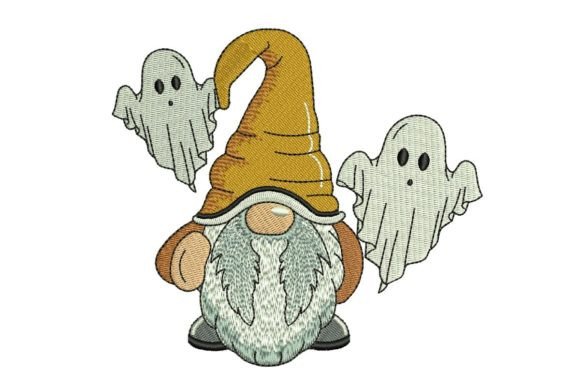
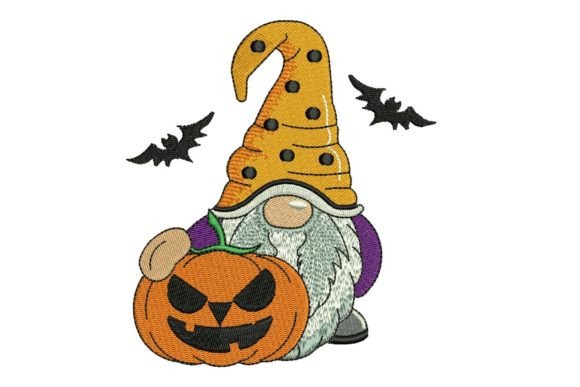
The initial visual impact of Gnome with Pumpkin is undeniably charming. It captures that whimsical, cozy aesthetic that defines modern autumn decor. The layout feels balanced, avoiding the common pitfall of overcrowding where details get lost in the stitching process. What stands out immediately is the personality of the character; it is not just a generic figure but a distinct entity that carries a sense of warmth. For an Etsy seller or a boutique owner looking to differentiate their holiday collection, this level of character detail is crucial. It suggests a story rather than just a decoration.
However, as a reviewer focused on production viability, I looked beyond the charm. The design appears to rely heavily on clean outlines and well-defined areas for fill stitch. This is promising because it usually indicates a higher tolerance for slight fabric shifts during stitching. The integration of the pumpkin element adds a necessary seasonal anchor without overwhelming the gnome itself. In terms of visual hierarchy, the design leads the eye naturally from the face down to the pumpkin, ensuring that even at a distance, the subject remains recognizable.
Real-World Application: From File to Finished Product
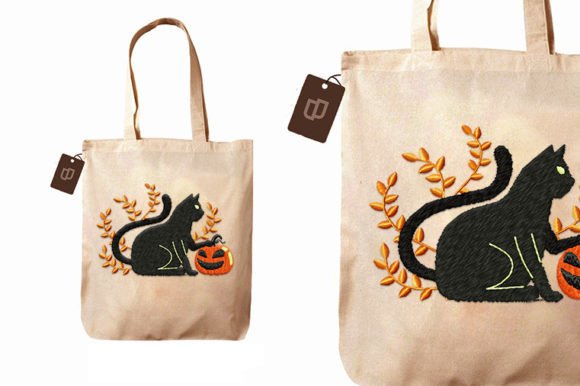
To truly evaluate Gnome with Pumpkin, I mentally placed it into several specific project scenarios. Imagine preparing a custom embroidered tote bag for a local farmer's market. The scale of the design seems perfect for the front panel of a sturdy canvas tote. The whimsical nature of the gnome pairs exceptionally well with natural fibers, creating a rustic yet polished look that appeals to customers seeking handmade quality.
Consider also the potential for custom apparel. If I were producing a limited run of organic cotton sweatshirts for a small shop product line, this design would sit beautifully on the chest pocket area or the back yoke. The rounded shapes of the gnome and the pumpkin are forgiving on the curves of a garment, reducing the risk of distortion that often plagues angular designs. Furthermore, for parents looking for a unique baby embroidery gift, this motif offers a softer alternative to traditional spooky Halloween imagery, making it suitable for nursery decor or toddler clothing.
For those selling embroidered patches, the design holds significant promise. The clear definition of the elements suggests it would hold up well when cut out and backed with adhesive. A patch featuring Gnome with Pumpkin could be a high-value add-on for denim jackets, backpacks, or hats, allowing customers to personalize their existing wardrobe with a touch of seasonal flair.
Navigating Fabric Challenges and Technical Considerations
While the design looks elegant on paper, practical application requires caution regarding fabric choice. As noted in the description, the design claims to look gorgeous on any fabric, but experienced designers know that "any" is rarely true without preparation. On textured fabrics like heavy wool or thick terry cloth, the fine details of the gnome's facial features might lose definition. I would strongly advise testing this embroidery file on a scrap piece of the intended material first.
When working with stretchy fabrics, such as jersey knits for t-shirts, the stability of the hoop becomes paramount. Without the correct stabilizer, the pull of the needle can distort the shape of the pumpkin or the legs of the gnome. Similarly, on dark fabrics, the contrast of the thread colors will dictate the final success. If the design relies on light-colored threads against a black background, you must ensure the backing is opaque enough to prevent show-through, which can ruin the professional finish of the finished product.
Another critical consideration is the hoop size. While the design is described as easy to stitch, complex characters often require larger hoops to maintain tension and alignment. Attempting to fit this design into a tiny 4x4 inch hoop might result in excessive hooping marks or misaligned sections. Always verify the dimensions before committing to a small-scale project. Additionally, if you plan to use this on curved surfaces like caps, the density of the stitches needs to be managed carefully to prevent puckering.
Enhancing Brand Value and Customer Trust
In the competitive world of handmade goods, the quality of your design assets directly influences customer trust. A well-executed Gnome with Pumpkin project signals professionalism. It shows that the maker cares about detail and understands the nuances of commercial embroidery. Conversely, a poorly stitched version with loose threads or distorted shapes can damage a brand's reputation instantly.
For the craft business owner, using a design with strong visual appeal increases the perceived value of the item. A tote bag with a generic print sells for one price; a tote bag with a high-quality, textured embroidery of a whimsical gnome commands a premium. This design elevates the item from a simple utility object to a collectible piece of art. It enhances the giftability of the product, making it a standout option for holiday gifts, wedding favors, or personalized presents.
Furthermore, consistency is key for branding. If you are building a line of autumn-themed products, having a cohesive character like this gnome helps create a recognizable identity for your shop. Customers begin to associate that specific style with your brand, fostering loyalty and repeat business. The visual clarity of the design ensures that your printable mockup previews accurately reflect what the customer will receive, reducing returns and increasing satisfaction.
Practical Notes for the Professional Maker
Before integrating Gnome with Pumpkin into your workflow, there are essential steps to take. First, always run a test stitch on a similar fabric to check the stitch density. You want to ensure the fill areas are solid without being so dense that they stiffen the fabric unnaturally. Second, review the color palette. While the default colors may work, adjusting the thread colors to match your specific brand palette can make the design feel more integrated and custom.
Inspect the small details closely. Are the eyes defined enough? Does the stem of the pumpkin have enough coverage? Sometimes, a slight adjustment in the software before stitching can save hours of trimming later. Also, confirm the licensing terms. As a digital product seller or someone selling finished goods, you must ensure you have the right to sell items made with this machine embroidery design. Never assume commercial rights unless explicitly stated.
Finally, consider the end-user experience. Will this design withstand frequent washing? If you are creating kitchen towels or aprons, the durability of the stitch is vital. Test wash a sample to see how the threads react to agitation and detergent. By taking these practical precautions, you ensure that Gnome with Pumpkin delivers on its promise of elegance and quality, becoming a reliable asset in your creative toolkit rather than a source of frustration.