Spooky Pumpkin on Halloween: A Designer Review
As a designer who has spent years curating machine embroidery designs for both personal craft projects and commercial small business lines, I approach every new file with a critical eye. The market is flooded with generic patterns, so finding a machine embroidery design that balances visual impact with technical reliability is rare. Today, I am evaluating the Spooky Pumpkin on Halloween design to see if it holds up under the scrutiny of real-world application. This isn't just about how it looks in a preview window; it is about how it translates into a tangible, high-quality finished product that customers will love.
First Impressions: Mood and Visual Personality
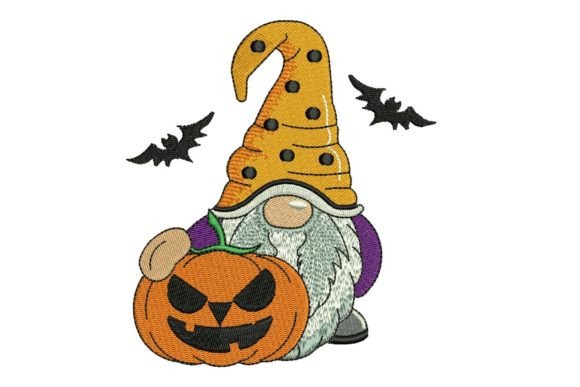
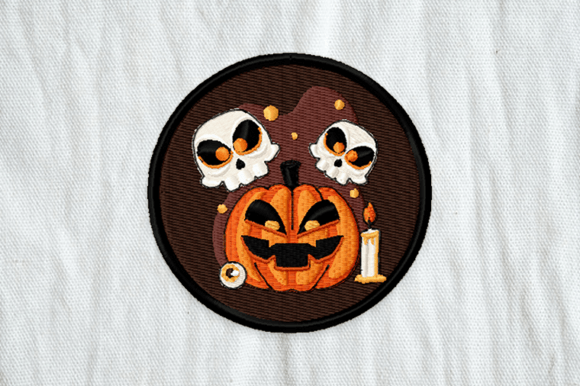
When I first opened the Spooky Pumpkin on Halloween file, the immediate impression was one of classic, nostalgic charm. The description promises a spooky pumpkin paired with candles and expressive eyes, all constructed as a patch. Visually, this layout works exceptionally well because it creates a self-contained focal point. Unlike sprawling designs that require large garment areas, this composition feels compact and intentional. The typical Halloween color combination mentioned in the specs suggests a palette likely dominated by deep oranges, blacks, and perhaps touches of purple or green. These are timeless choices that signal "holiday" instantly without needing excessive explanation.
The inclusion of candles adds a layer of storytelling that elevates this beyond a simple fruit motif. It implies a scene—a moment of trick-or-treating or a haunted porch—which makes the design more engaging for an audience looking for character in their handmade product. For an Etsy seller or boutique owner, having a design with a narrative element like this can significantly increase buyer engagement. It transforms a standard decoration into a piece of seasonal art.
Testing the Design: A Real-World Scenario
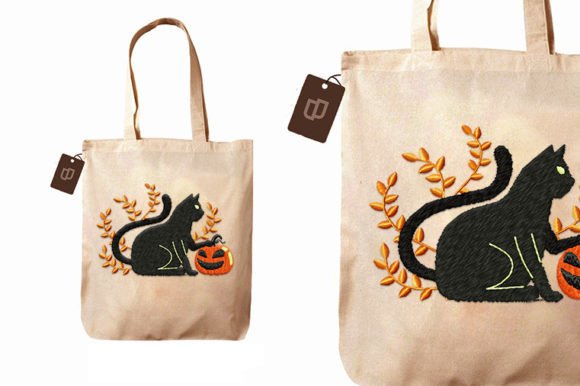
To truly understand the potential of Spooky Pumpkin on Halloween, I visualized using it for a specific client project: a limited run of custom canvas tote bags for a local autumn market. Tote bags are a staple for craft businesses, but they present unique challenges due to their texture and the way fabric drapes. In this scenario, the patch-style construction of the pumpkin is a major advantage. Instead of trying to stitch directly onto the uneven weave of a canvas bag, creating a standalone patch allows for better control over stitch density and tension.
I imagined placing this design on the front corner of a heavy-duty beige tote. The contrast between the dark thread colors of the pumpkin and the light background would be striking. The candles, likely rendered in a mix of satin stitch for the flames and fill stitch for the wax, would catch the light beautifully. Customers browsing at a craft fair often look for items that feel substantial; a dense, well-stitched patch adds weight and value to the bag, justifying a higher price point. Furthermore, because the design is structured as a patch, it could easily be transferred to other mediums later, such as denim jackets or sweatshirt embroidery, maximizing the utility of a single digital embroidery file.
Technical Considerations for Professional Results
While the aesthetic appeal is strong, a professional designer knows that execution is everything. Before committing to a production run, there are several technical factors to consider when working with Spooky Pumpkin on Halloween.
- Stabilizer Selection: Given that this design features detailed elements like eyes and candle flames, proper stabilization is non-negotiable. On textured fabrics like fleece or denim, a cutaway stabilizer will ensure the running stitch outlines remain crisp and do not sink into the fabric pile.
- Thread Color Contrast: While the default color scheme is attractive, always test your thread colors against your specific fabric. If you are applying this to a black jacket, the orange pumpkin needs a high-sheen thread to pop. Conversely, on a white hat, darker outlines might be necessary to define the shape clearly.
- Hoop Size and Density: Although the design is described as suitable for hats and jackets, you must verify the actual dimensions against your machine's hoop size. If the design is too close to the edge of the hoop, you risk puckering or missed stitches. Always check the hoop size requirements before starting a commercial embroidery order.
Where to Use Caution
Even the best designs have limitations. There are specific scenarios where Spooky Pumpkin on Halloween requires extra care. For instance, using this on thin or stretchy fabrics like lightweight t-shirts can lead to distortion. The density required to create the "spooky" depth of the pumpkin might cause the fabric to pucker if not stabilized correctly. Similarly, curved surfaces like baseball caps demand precise alignment; the vertical orientation of the pumpkin and candles must be checked to ensure they sit naturally on the cap's curve.
Another area of caution is small-scale applications. If you are attempting to shrink this design for a baby item or a small keychain, the details of the eyes and candles may become indistinguishable. Baby embroidery often requires softer, simpler motifs, and shrinking a complex patch design can result in tangled threads or a muddy appearance. Always review the smallest details in your software before scaling down.
Practical Notes for Makers and Entrepreneurs
For those running a craft business or selling personalized gifts, the versatility of this design is a significant asset. However, success depends on preparation. My top recommendation is to always test the design on scrap fabric first. Stitch out a sample to check for any thread breaks, especially in the intricate areas around the candle flames. Inspect the back of the stitching to ensure there are no loose threads that could unravel during washing.
Additionally, consider the licensing terms carefully. If you plan to sell the finished products—whether they are embroidered patches, tote bag designs, or holiday decor—you must confirm that the license allows for commercial use. Some design assets are restricted to personal use only, which can lead to legal issues for small shop owners. Once cleared, this design fits perfectly into a seasonal catalog, offering a cohesive look for holiday embroidery collections.
Final Verdict on Value and Appeal
In conclusion, Spooky Pumpkin on Halloween offers a compelling mix of traditional holiday charm and practical design structure. Its patch-style format makes it incredibly versatile for custom apparel, accessories, and home decor. The attention to detail in the eyes and candles provides a level of sophistication that separates it from basic clip-art conversions. For designers and makers looking to enhance their finished product line with a reliable, visually appealing motif, this design is a strong contender. Just remember to respect the technical requirements of your materials, and you will create a small shop product that stands out in any marketplace.